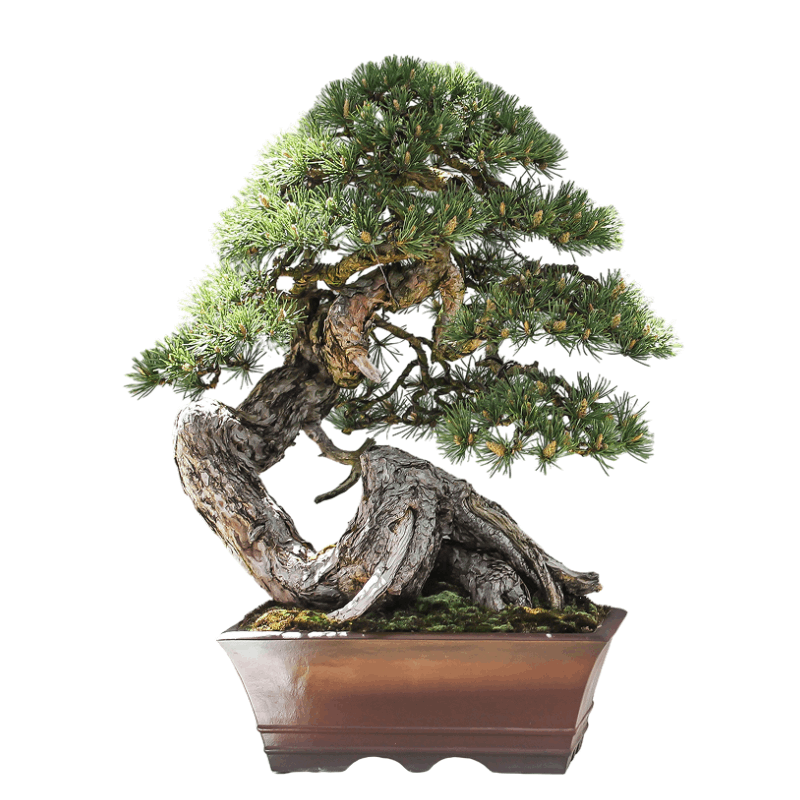
One of the first things people notice about a well-shaped bonsai is how intentional everything looks. The trunk has a natural movement, the branches seem to occupy exactly the right spaces, and the foliage forms a balanced silhouette. It can look as if the tree has always grown that way.
In reality, that appearance usually comes from years of careful work. A bonsai can receive its first major styling in a single afternoon, but developing a convincing, mature shape takes much longer. Branches need time to hold their new positions, pruning has to be repeated as the tree grows, and the overall structure gradually becomes more refined.
The amount of time depends on the species, the tree’s age, its health, the condition of its roots, and how much work is needed. A young nursery juniper with flexible branches is very different from an old pine with thick, established limbs. Understanding that difference helps prevent one of the most common mistakes in bonsai: trying to achieve a finished appearance before the tree is ready.
A Basic Bonsai Shape Can Be Created in One Day, but the Tree Is Not Finished
A first styling session may take several hours. During this work, the grower studies the trunk, chooses the front of the tree, identifies useful branches, removes selected growth, and wires branches into a more attractive arrangement.
A tree that already has a good trunk and suitable branches may look dramatically different after one session. Its main structure can become recognizable almost immediately.
That does not mean the bonsai is complete.
The branches may still need time to hold their new positions. Some areas may look sparse after pruning. New shoots may need to develop before the foliage becomes balanced. The trunk may also be too thin or lack the taper that gives an older bonsai its character.
It helps to think about bonsai styling in three separate stages:
- Initial styling: Establishing the trunk line, main branches, and overall direction. This may take a few hours or several sessions.
- Structural development: Allowing the tree to grow, thickening selected branches, improving the silhouette, and correcting weak areas. This often takes several growing seasons.
- Refinement: Developing finer branching, balanced foliage, shorter internodes where appropriate, and a more mature appearance. This can continue for many years.
A tree can be attractive during any of these stages. It does not have to be fully refined to be a beautiful bonsai.
How Many Years Does Each Stage Usually Take?
There is no universal schedule, but the following ranges provide a realistic idea of what to expect. They assume the tree is healthy and receives appropriate care for its species and local climate.
A tree purchased from a nursery: If it already has a suitable trunk and branches, an initial styling may be possible in one day. Developing a more convincing structure may take another two to five years, sometimes longer.
A young tree grown from a seedling: Building a substantial trunk and good primary branches can take several years. A more developed bonsai may require five to ten years or considerably longer, depending on the species and the desired size.
A mature tree with established structure: It may need only a few hours of initial styling to establish a new direction. Refinement can still take three to five years or more.
A highly refined exhibition-quality bonsai: Developing dense branching, a convincing trunk, balanced foliage, and mature character can take ten years or decades of continued cultivation.
These are broad estimates, not deadlines. A fast-growing Chinese elm and a slow-growing pine will not respond at the same rate. A tree with a strong root system may recover quickly, while a recently collected tree or one with weak roots may need an entire growing season or longer before substantial styling is appropriate.
The important distinction is between making a tree look like a bonsai and developing a tree that can maintain that appearance while remaining healthy.
The Tree Species Makes a Big Difference to the Timeline
Some species respond quickly to pruning and wiring. Others require more patience and careful timing.
Chinese elm is popular with beginners because it generally responds well to pruning and can produce new shoots readily under suitable growing conditions. Its branches can be developed over repeated growing seasons, making it a useful species for learning basic styling techniques.
Japanese maple offers beautiful branching and seasonal color, but its thin bark and delicate branches require careful handling. Wiring must be monitored closely because branches can thicken around the wire and develop visible scars.
Juniper is widely used for bonsai because its foliage and naturally flexible young branches offer many styling possibilities. Major bends should still be approached gradually, particularly on older or thicker branches. Junipers also need appropriate light and outdoor growing conditions.
Pine usually requires a more deliberate approach. Different pine species have different growth patterns, and techniques such as candle management, needle removal, and branch selection must be matched to the species. A pine that has undergone heavy initial styling may need one or more growing seasons to regain strength before additional major work.
Ficus can be a practical choice for indoor bonsai enthusiasts in suitable climates. It often responds well to pruning and can develop aerial roots under favorable humidity and growing conditions. However, indoor light levels are frequently inadequate, so a bright growing location is important.
The species should determine the work schedule, not the other way around. A technique that is appropriate for a vigorous elm may be harmful to a pine or a delicate maple.
The First Important Decision Is Choosing the Tree’s Front and Main Structure
Before picking up pruning scissors or bonsai wire, spend time studying the tree from several angles.
Look at the trunk first. Does it have a natural curve? Is the base wider than the upper trunk? Are there visible roots that help anchor the tree visually? These features influence which side should face forward.
The front of a bonsai is not simply the side with the most leaves. It should show the trunk movement clearly, create a sense of depth, and allow the major branches to form a balanced composition.
A common beginner mistake is trying to preserve every branch. In bonsai, some branches need to be removed because they cross the trunk, grow directly toward the viewer, emerge from the same point in an awkward cluster, or create too much visual congestion.
A basic branch arrangement often includes a lower first branch, a second branch on the opposite or slightly different side, and additional branches that help build depth. The upper portion of the tree gradually becomes narrower, creating a natural triangular or asymmetrical outline depending on the chosen style.
Do not force a tree into a shape that conflicts with its existing structure. A trunk with strong natural movement may suit an informal upright style, while a relatively straight trunk may be better suited to a formal upright design.
The best styling decisions usually work with the tree’s existing strengths rather than fighting against them.
Wiring Takes Time, and the Branches Must Be Checked Regularly
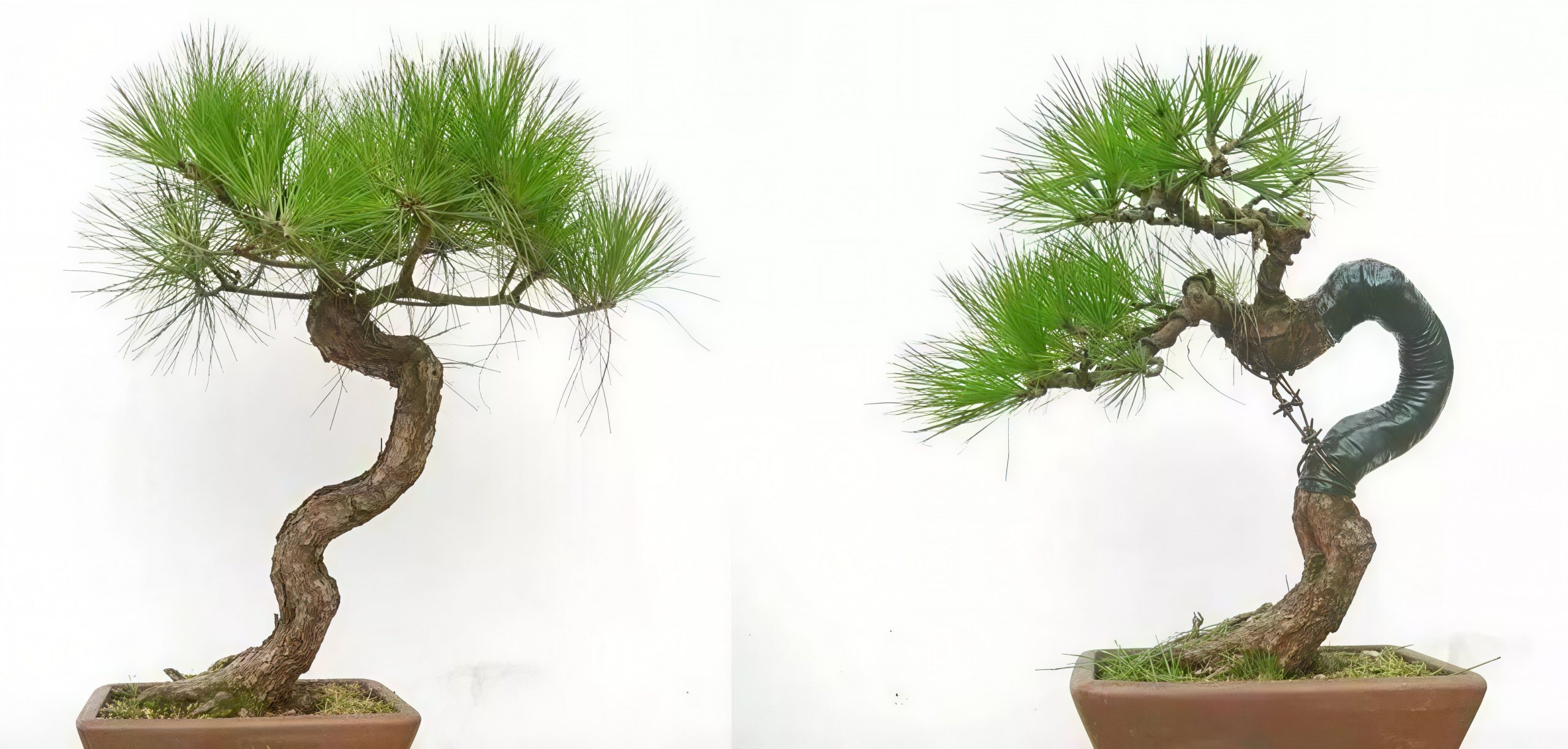
Wiring is one of the main techniques used to shape bonsai. Aluminum or copper wire is wrapped around the trunk or branches to guide their direction and hold them in a chosen position.
The wire does not permanently change the branch by itself. The tree needs time to grow and develop enough supporting tissue to maintain the new position after the wire is removed.
The wire should be selected according to the thickness and stiffness of the branch. A wire that is too thin will not hold the desired position, while one that is too thick can be difficult to apply safely.
A commonly used starting guideline is to choose wire around one-third of the branch’s diameter, although the appropriate size depends on the wood’s flexibility and the type of wire. The wire should sit securely against the branch without being forced tightly into the bark.
When bending a branch, work slowly. Support the outside of the curve with your fingers and apply controlled pressure from the inside of the bend. Avoid making repeated adjustments to the same section, because each movement can increase the risk of cracking or damaging the branch.
Thicker branches may require guy wires or other methods rather than forcing them into position with a single coil of wire.
How Long Should Bonsai Wire Stay on the Tree?
This is one of the most important details to understand.
There is no fixed number of months that works for every bonsai. Fast-growing deciduous trees may need wire removal within six to twelve weeks during active growth. Slower-growing conifers may hold their shape over several months, and some branches may require longer.
The actual condition of the branch matters more than the calendar.
Check wired branches every week or two during periods of active growth. Look closely where the wire touches the bark, particularly around the thickest part of the branch and at bends.
If the bark begins to swell around the wire or a visible indentation appears, remove it promptly. Leaving wire in place for too long can create spiral scars that remain visible for years.
Use wire cutters to snip the wire into short sections, removing each piece individually. Do not simply unwind a tightly fitted wire from a branch, as the twisting movement can damage the bark or break a branch that has already been trained.
If the branch springs back after wire removal, it may need another training cycle. That is normal. Bonsai shaping often involves several rounds of wiring rather than one permanent adjustment.
Pruning Should Improve the Structure Without Removing Too Much Growth
Pruning is used to create the desired silhouette, control branch length, improve light penetration, and encourage a more developed branching structure.
There are two broad types of pruning in bonsai.
Structural pruning removes larger branches that do not fit the design. It has a significant effect on the tree and can remove a substantial amount of foliage. This work should be planned carefully, especially when the tree is weak or has recently been repotted.
Maintenance pruning controls new growth after the basic structure has been established. It helps preserve the outline and encourages finer branching in species that respond appropriately to repeated trimming.
A useful habit is to step back from the tree regularly while pruning. A branch that looks unnecessary from a few inches away may be important to the overall balance when viewed from the normal display angle.
Avoid removing large amounts of foliage simply to make the tree look smaller. Leaves provide the energy needed for growth and recovery. Excessive pruning can weaken a tree, reduce its ability to produce new shoots, and make it more vulnerable to environmental stress.
Different species also respond differently to defoliation and shoot removal. Techniques used on certain maples or elms should not automatically be applied to pines, junipers, or other conifers.
What Should You Do Immediately After Styling?
A heavily styled bonsai needs attention, particularly when the work involved substantial pruning, bending, or wiring.
The tree may have experienced several forms of stress at once. Its foliage may have been reduced, branches repositioned, and some tissues disturbed. The way it is cared for during recovery can influence how well it responds to the work.
Keep watering consistent. Check the soil rather than following a rigid daily schedule. Water thoroughly when the growing medium is approaching the appropriate level of dryness for that species, allowing excess water to drain freely. Do not leave the roots sitting in stagnant water.
Protect the tree from extreme conditions. A heavily worked tree may benefit from temporary protection from strong wind and intense midday sun, depending on its species and the severity of the work. This does not mean placing an outdoor tree in a dark room or keeping a sun-loving species in deep shade for weeks. Maintain the light conditions it needs while avoiding unnecessary environmental stress.
Avoid additional major work. Do not immediately combine heavy styling with aggressive root pruning, repotting, or another round of substantial foliage removal. Multiple stressful procedures performed too close together can make recovery much harder.
Wait before increasing fertilizer. Freshly styled trees do not need an aggressive feeding program. Resume normal, species-appropriate fertilization when the tree shows healthy active growth and is recovering well. Follow the product instructions rather than assuming that more fertilizer will speed up recovery.
Watch for changes in the foliage. A small amount of leaf loss can occur after stressful work, but widespread browning, wilting, or branch dieback deserves attention. Check soil moisture, root condition, light exposure, and signs of pests or disease rather than assuming the tree is simply adjusting.
The goal is to let the tree recover and grow strongly enough to support the next stage of development.
Do Not Repot and Heavily Style a Weak Tree at the Same Time
Repotting and styling are both important bonsai techniques, but they place different demands on the tree.
Repotting can involve root pruning, removing old soil, and securing the tree in a new container. Heavy styling can involve significant foliage removal and bending. Combining both procedures may leave the tree with reduced roots and reduced foliage at the same time.
There are situations where experienced growers coordinate certain operations, but beginners should generally avoid combining major root work with heavy branch pruning or extensive wiring unless they understand the species and the tree’s condition.
A safer approach is to establish the tree’s health and allow it to recover from one major operation before undertaking another.
The same principle applies to recently collected trees. A collected tree may look strong above the soil while still having a limited or damaged root system. It should not be treated like established nursery stock simply because its trunk and branches appear mature.
A Simple Timeline for the First Year of Bonsai Styling
A realistic first-year plan depends on the species and climate, but this example shows how a beginner might approach a healthy nursery tree that is ready for initial styling.
Before the styling session: Study the trunk and branches, choose a front, prepare suitable tools, and confirm that the season is appropriate for the species.
During the initial session: Remove only the branches that clearly conflict with the design. Apply wire to the branches that need repositioning. Avoid unnecessary bending and preserve enough healthy foliage for continued growth.
During the following weeks: Maintain suitable light and watering. Check the wire regularly, especially if the tree is growing quickly. Avoid additional major procedures while the tree is recovering.
During active growth: Watch for healthy new shoots. Allow the tree to regain strength before carrying out further structural work. Continue to monitor the wire for signs of indentation.
Later in the growing season: Remove wire when necessary, inspect the branch positions, and make only minor adjustments if the tree is healthy and the species is suitable for that work.
During the dormant season, where applicable: Review the overall structure and plan the next stage of development. Major pruning and wiring may be appropriate for certain deciduous species at this time, but timing differs among species and climates.
This is a planning framework rather than a fixed calendar. Tropical species, temperate deciduous trees, and conifers have different growth cycles, so the schedule should be adjusted accordingly.
Common Mistakes That Can Delay Bonsai Development
Some mistakes do more than make a tree look untidy. They can set back its development by an entire growing season or cause permanent damage.
Trying to create a finished tree too quickly: Removing too many branches and too much foliage in one session may weaken the tree. A good bonsai is developed through a series of deliberate decisions, not a single dramatic pruning session.
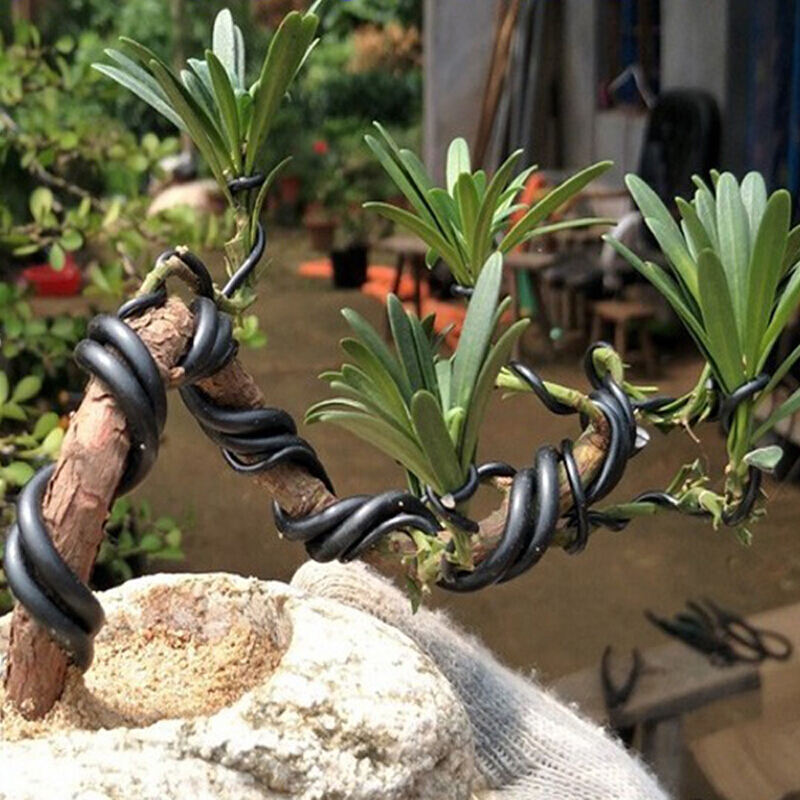
Leaving wire on until it cuts into the bark: Wire scars can take a long time to disappear and may remain permanently visible. Regular inspection is more reliable than following a fixed removal date.
Using the wrong wire thickness: Wire that cannot hold the branch encourages repeated bending. Excessively thick wire can make it difficult to apply controlled pressure and may increase the risk of injury.
Ignoring the tree’s natural growth pattern: Every species has its own response to pruning, wiring, sunlight, and seasonal changes. Applying the same technique to every tree is a common source of problems.
Overwatering after styling: A stressed tree still needs water, but constantly saturated soil can deprive roots of oxygen. Water according to the soil condition and the tree’s requirements.
Expecting a thin trunk to look old immediately: Branch arrangement and foliage can be improved relatively quickly, but trunk thickness and taper usually require much more time. Allowing selected branches to grow freely can help develop a stronger structure.
A Bonsai Is Never Completely Finished
A bonsai may reach a point where its overall shape looks balanced and mature, but that does not mean the work stops. New growth continues, branches become thicker, foliage changes, and the tree responds to each season.
A well-maintained bonsai moves between periods of development and refinement. Some years may focus on strengthening the tree or improving its trunk. Other years may involve detailed branch work, foliage management, or adjustments to the overall composition.
For someone starting with a healthy nursery tree, a recognizable initial shape may be possible in a single session. Developing that shape into a convincing bonsai can take several years, while highly refined trees may represent decades of cultivation and repeated care.
Patience is not simply about waiting for the tree to grow. It is about knowing when to prune, when to wire, when to leave the tree alone, and when its health matters more than the design. A strong, healthy bonsai with a developing shape will always have more potential than a heavily styled tree that has been pushed beyond its limits.