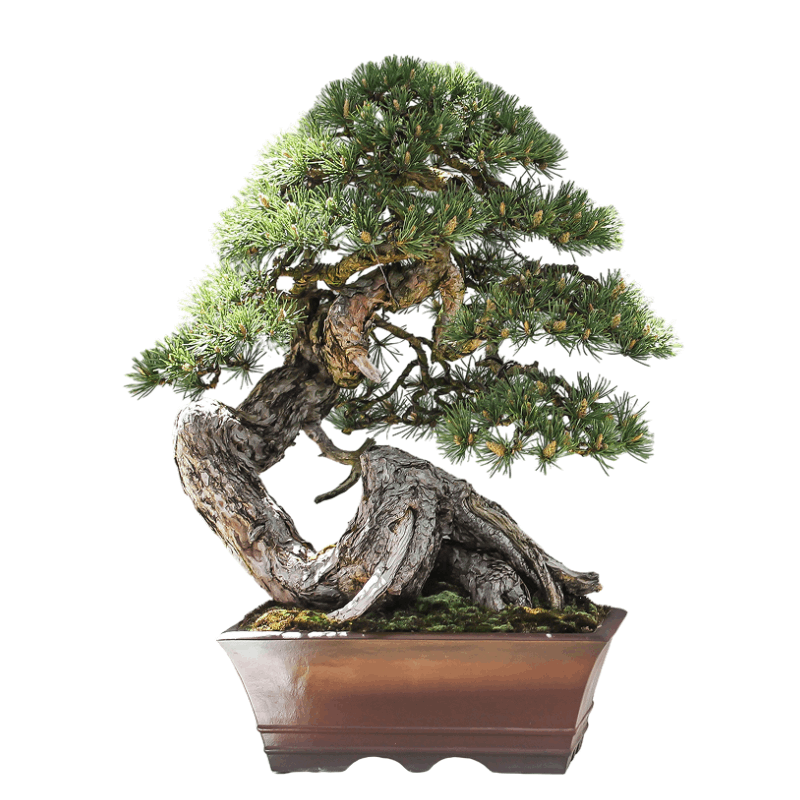
A bonsai tree may be the star of the display, but the pot beneath it plays a much bigger role than many beginners realize. The right container does more than hold soil and keep the roots in place. It affects how the tree is presented, how moisture behaves around the roots, and how well the overall planting fits the style of bonsai you are trying to create.
Walk through a bonsai nursery or browse a collection of mature trees, and you will notice that the containers come in many different materials, colors, shapes, and finishes. Some are simple and understated, while others have decorative glazes, textured surfaces, or traditional handmade details. A few are designed mainly for growing and training rather than display.
Choosing between them can feel confusing, especially when you are still learning how different bonsai species respond to their growing conditions.
The interesting part is that there is no single pot material that works best for every bonsai. A glazed ceramic container may complement a flowering tree beautifully, while an unglazed clay pot can be a natural match for a rugged pine. Plastic training pots are practical when a tree is still developing, even if they are not particularly attractive on a display bench.
Understanding the differences makes it much easier to choose a container that supports both the health and appearance of your tree.
Unglazed Ceramic Pots Offer a Traditional, Natural Appearance
Unglazed ceramic pots are among the most recognizable containers in traditional bonsai cultivation. They are usually made from fired clay, with a porous surface that gives them a natural, earthy appearance. Depending on the clay and firing process, their colors may range from reddish brown and dark brown to gray and muted tan.
One of their main advantages is that the surface can allow some moisture exchange through the ceramic material. This can contribute to drying, although the actual moisture behavior also depends on the clay body, pot thickness, weather, soil composition, and drainage.
Unglazed pots are particularly popular for conifers such as junipers and pines. Their understated colors tend to work well with rugged trunks, textured bark, and the natural character of evergreen foliage. A dark brown or reddish-brown container can give a tree a grounded appearance without competing for attention.
They are also suitable for many deciduous trees. A simple, unglazed container can create a balanced presentation for species with interesting trunks and branch structures.
Advantages of unglazed ceramic pots:
- Their natural texture complements many traditional bonsai styles.
- They are available in a wide range of shapes and earthy colors.
- Some porous ceramic bodies allow more moisture exchange than fully glazed surfaces.
- They can provide a stable base for established bonsai.
- Their understated appearance keeps attention on the tree.
Disadvantages:
- Some unglazed pots can dry out relatively quickly in hot or windy conditions.
- Porous ceramic may absorb moisture and can be vulnerable to frost damage depending on the clay and firing quality.
- Quality handmade pots can be expensive.
- Heavy ceramic containers are less convenient to move.
- They can chip or crack if dropped or exposed to unsuitable freezing conditions.
A useful point to remember is that not every unglazed pot has the same level of porosity. High-fired ceramics can be considerably less absorbent than lower-fired clay. It is better to judge the actual container rather than assume all unglazed pots behave identically.
For growers who want a traditional look and have an established tree ready for a more refined presentation, unglazed ceramic is often a very appealing option.
Glazed Ceramic Pots Add Color and Visual Character
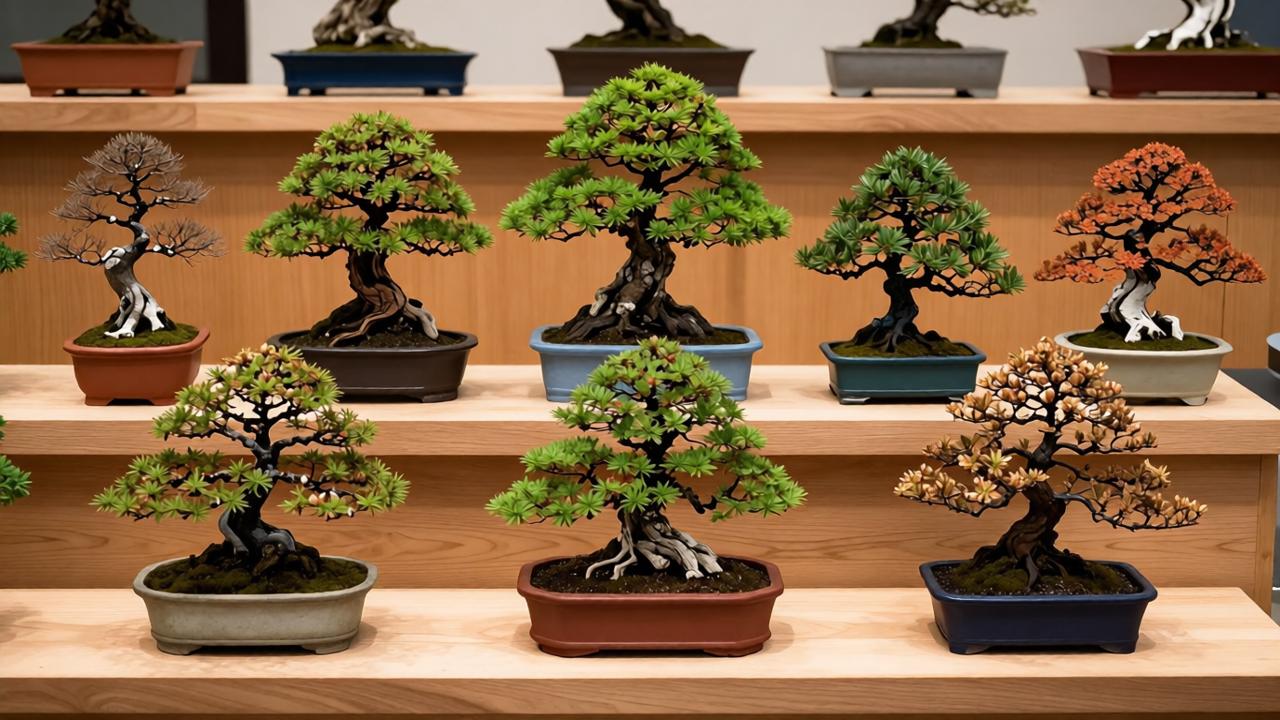
Glazed ceramic pots have a smooth, coated surface that can come in almost any color. Green, blue, cream, brown, white, and subtle earth tones are common choices. Some feature a glossy finish, while others have softer matte glazes or decorative patterns.
The main reason people choose glazed containers is their appearance. They offer more opportunities to coordinate the pot with the tree’s flowers, leaves, fruit, or overall visual style.
Flowering and fruiting bonsai are particularly well suited to glazed pots. Trees such as azaleas, flowering cherries, crabapples, and certain varieties of quince can look especially attractive in a carefully selected glazed container.
For example, a flowering azalea may look beautiful in a soft blue or muted green pot. A fruiting crabapple can work well with a container whose color complements its seasonal fruit without drawing too much attention away from the branches.
Glazed pots are not limited to flowering species, though. Some deciduous trees also look excellent in them, especially when the glaze is subtle and the pot shape suits the tree.
Advantages of glazed ceramic pots:
- They offer a wide selection of colors and finishes.
- Their smooth surfaces are generally easier to clean.
- They can create a strong visual connection between the tree and its container.
- They work particularly well with flowering and fruiting bonsai.
- They are available in both simple and decorative designs.
Disadvantages:
- The glazed surface reduces moisture exchange through the pot walls compared with many porous unglazed ceramics.
- They may retain moisture differently, so watering habits should be adjusted to the actual soil and growing conditions.
- Highly decorative designs can distract from the tree.
- Quality glazed pots can be costly.
- Like other ceramic containers, they may crack or chip if handled roughly.
There is an important distinction between a glazed surface and poor drainage. A properly designed glazed bonsai pot should still have adequate drainage holes. The glaze itself does not make a container unsuitable for bonsai; the drainage design, soil mix, and watering routine matter much more.
When selecting a glazed pot, try to avoid choosing a color simply because it looks attractive on its own. Think about how it will look beside the tree throughout the year. A container that works beautifully during flowering season should still complement the tree when the flowers have disappeared.
Plastic Bonsai Pots Are Practical for Training and Early Development
Plastic pots are not usually the first choice for a formal bonsai display, but they are extremely useful during the growing and training stages.
Beginners often spend too much time worrying about finding a beautiful bonsai pot before their tree is ready for one. In reality, a young tree may benefit more from a practical growing container that provides enough room for root development.
Plastic training pots are lightweight, inexpensive, and easy to handle. They are available in many sizes and shapes, making them useful for seedlings, young trees, recently collected material, and bonsai that are still undergoing structural development.
Their nonporous walls do not allow moisture to escape in the same way as porous clay. This can help the growing medium retain moisture for longer, although it also means growers need to pay attention to drainage and avoid keeping the soil excessively wet.
A plastic container with properly designed drainage holes can work very well for training. Some models also include raised bases, mesh openings, or ventilation features intended to support drainage and airflow.
Advantages of plastic bonsai pots:
- They are usually much more affordable than ceramic alternatives.
- Their lightweight construction makes trees easier to move.
- They are convenient for repotting and routine maintenance.
- They are useful for growing young trees and developing root systems.
- They are less likely to break if accidentally dropped.
Disadvantages:
- They generally lack the traditional appearance of ceramic bonsai containers.
- Their walls do not provide the same moisture exchange as porous clay.
- Dark plastic pots can heat up in direct sunlight.
- Lightweight containers may be less stable in strong wind.
- Some inexpensive models can become brittle after prolonged exposure to sunlight.
Plastic training pots are particularly useful for junipers, pines, maples, ficus, and many other species while they are still being developed. The important factor is choosing a container that supports the tree’s current stage of growth.
There is no reason to rush a young bonsai into a shallow decorative pot. Allowing the tree to develop a healthy root system and a suitable trunk structure is often more valuable than achieving an attractive display too early.
Mica Bonsai Pots Provide a Balance Between Practicality and Stability
Mica pots are another popular option among bonsai growers, especially for trees that are beyond the earliest stages of development but are not yet ready for their final display container.
They are generally made from a composite material containing mica and other components. Their appearance often resembles dark stone or ceramic, although their construction is different.
Mica containers are usually more rigid than basic plastic pots. They are also relatively lightweight compared with many ceramic alternatives, making them convenient for handling larger trees.
Their practical design makes them suitable for training, refinement, and some intermediate stages of bonsai development.
Because mica pots are generally nonporous, their moisture behavior is closer to plastic than to porous unglazed clay. This means the grower should pay attention to drainage and watering frequency rather than assuming the container will dry out quickly through its walls.
Advantages of mica bonsai pots:
- They are generally lighter than comparable ceramic containers.
- Their dark, understated appearance works with many bonsai styles.
- They are more resistant to breakage than ordinary ceramic pots.
- They are suitable for training and intermediate development.
- They often provide a more substantial appearance than inexpensive plastic pots.
Disadvantages:
- They do not offer the same traditional craftsmanship as handmade ceramic containers.
- Their nonporous walls do not provide significant moisture exchange.
- Their appearance may not be suitable for every formal display.
- Quality and durability can vary between manufacturers.
Mica pots are particularly useful when a tree needs a stable container but the grower does not want to invest in an expensive display pot yet.
They can be a sensible choice for developing pines, junipers, and deciduous trees, although the suitability of any container still depends on the tree’s size, root condition, and watering requirements.
Wooden Training Boxes Give Roots More Room to Develop
Wooden bonsai boxes are commonly used during the early development of larger trees and collected material. They are not usually intended to be the final display container. Instead, their purpose is to provide a practical growing environment while the tree develops.
A wooden box can be built in different dimensions depending on the size of the tree and its root system. The design often includes gaps or drainage openings that allow excess water to escape.
One reason growers use wooden boxes is that they can accommodate a larger volume of growing medium than a traditional shallow bonsai pot. This can be helpful when developing a trunk, encouraging root growth, or working with material that needs time to recover after collection or major root work.
Wood also has a natural appearance that blends easily into a nursery or outdoor growing area.
Advantages of wooden training boxes:
- They can accommodate larger root systems.
- They are useful for early-stage development and collected trees.
- Their dimensions can be customized.
- They are relatively affordable when made from suitable materials.
- They can be practical for trees that are not ready for shallow containers.
Disadvantages:
- Wood gradually deteriorates when exposed to moisture and weather.
- Some types of wood may rot more quickly than others.
- They are not generally suitable for refined formal display.
- Poor construction can lead to drainage problems.
- Their larger size can make handling difficult.
Wooden boxes are particularly useful for developing material such as pines, junipers, and other trees that need time to establish a strong trunk and root structure. They can also be useful for larger deciduous specimens.
The choice of wood matters. Untreated, rot-resistant materials are generally preferable to wood treated with chemicals that could leach into the growing medium. Good drainage and solid construction are just as important as the appearance of the box.
What Type of Bonsai Pot Is Best for Different Tree Species?
Knowing the material is only part of the decision. A container should also suit the tree’s species, visual character, and growing requirements.
The following examples offer a useful starting point:
| Bonsai species or style | Suitable pot choices | Why they work |
|---|---|---|
| Japanese Black Pine | Unglazed ceramic | Earthy colors complement rugged bark and evergreen foliage |
| Juniper | Unglazed ceramic or mica | Natural, understated finishes suit its rugged appearance |
| Japanese Maple | Glazed or unglazed ceramic | Both can work depending on the tree’s color, form, and presentation |
| Azalea | Glazed ceramic | Colorful finishes complement seasonal flowers |
| Crabapple | Glazed or unglazed ceramic | The pot can complement flowers and fruit |
| Ficus | Ceramic or plastic training pots | Flexible choices for indoor growing and development |
| Chinese Elm | Glazed or unglazed ceramic | Both traditional and more decorative styles can work |
| Young seedlings | Plastic training pots | Affordable and practical during early growth |
| Recently collected trees | Wooden boxes or suitable training containers | Extra space can support recovery and root development |
These are styling and cultivation suggestions rather than strict rules. A Japanese maple does not have to be planted in a glazed pot, and a juniper is not automatically unsuitable for one. The final choice should reflect the individual tree.
Root condition is particularly important. A tree with a large root system may need a deeper training container before it can move into a shallow display pot. A mature tree with a well-developed root pad may be ready for a more refined container.
Climate matters too. In a hot, dry environment, a porous container may require more frequent watering. In a cool, wet environment, a nonporous pot with an appropriate soil mix may need closer attention to prevent the roots from staying excessively wet.
How to Choose the Right Bonsai Pot Size and Shape
Even a beautiful container can be a poor choice if its proportions do not suit the tree.
Traditional bonsai pot selection often considers the tree’s height, trunk thickness, canopy shape, and overall visual balance. The pot should support the composition rather than compete with it.
A common starting point is to consider a pot whose length is roughly around two-thirds of the tree’s height. For a particularly tall tree, a shorter container may work better, while a tree with a wide canopy may need a broader pot. These are traditional visual guidelines, not fixed measurements. The actual proportions should be judged according to the tree’s design.
Depth deserves equal attention.
A shallow pot can create the refined appearance associated with mature bonsai, but it is not always suitable for a young tree or one with a developing root system. If the roots cannot fit comfortably, forcing the tree into a smaller container can create unnecessary problems.
The shape of the pot also influences the overall impression.
- Rectangular pots often suit formal upright and rugged tree styles.
- Oval pots can complement informal upright and gently flowing trees.
- Round pots can work well with literati and some more delicate compositions.
- Deep containers are useful for certain developing trees and styles that require greater root volume.
- Shallow containers are common for refined, established bonsai with well-developed root systems.
Drainage holes should never be overlooked. A suitable bonsai container needs adequate drainage, and the holes should be large enough to allow excess water to escape. Drainage mesh is commonly used to prevent soil from washing out while keeping the openings functional.
Before purchasing a pot, measure the root area and compare it with the container’s internal dimensions. External measurements can be misleading because thick pot walls reduce the usable space inside.
Should Beginners Buy Expensive Bonsai Pots?
A beautiful handmade ceramic pot can be tempting, especially when you see one displayed beneath a mature bonsai. However, beginners do not need to spend a large amount of money on a container immediately.
The tree’s stage of development should guide the decision.
A young bonsai still undergoing structural work is usually better off in a practical training pot. There may be several rounds of root development and repotting before it is ready for a refined display container.
Spending a large amount on a decorative pot too early can also create practical problems. The tree may outgrow it, the root system may not fit properly, or the container may not suit the tree’s eventual design.
A sensible approach is to use an affordable plastic or mica pot during development and consider a higher-quality ceramic container when the tree is more established.
For a mature bonsai that is already ready for display, a carefully selected ceramic pot can make a meaningful difference to the overall presentation. In that situation, the container becomes part of the composition rather than simply a place to hold the soil.
The most expensive pot is not necessarily the best one. A modest container with the right proportions, color, and finish can complement a tree far better than an elaborate pot that draws attention away from it.
Choosing a Bonsai Container Is About Balance
Bonsai containers come in many forms, and each material has a different role. Unglazed ceramic offers a traditional appearance and may allow more moisture exchange. Glazed ceramic provides color and visual variety. Plastic is practical for early development, while mica offers a durable and lightweight alternative for training. Wooden boxes provide useful space for trees that need more room to develop.
The right choice depends on the tree rather than the pot alone.
Think about the species, root condition, stage of development, local climate, and overall design before making a purchase. A container that looks beautiful but does not provide adequate drainage or enough root space is unlikely to be a good long-term choice.
For beginners, there is no need to rush into buying an expensive display pot. A healthy tree in a practical training container is a much better starting point than a struggling tree in a beautiful one.
As the bonsai matures, the container can become a more deliberate part of its presentation. The goal is to find a pot that supports the tree’s growth while making its natural character even more enjoyable to look at.